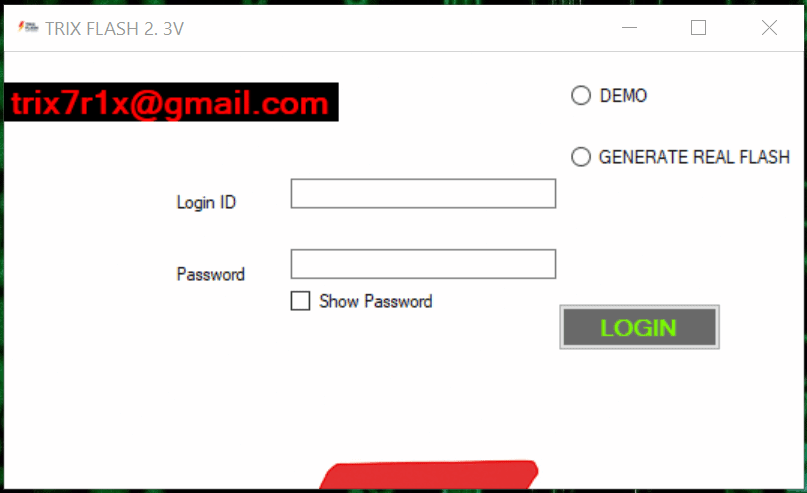
Using the Trix Flash software tool, users can now generate Fake USDT (also known as Flash Tether) to test wallet integrations, demonstrate proof-of-funds, and explore network latency on the TRC20 and ERC20 chains.
What is Fake USDT (Flash Tether)?
Fake USDT refers to counterfeit cryptocurrency tokens designed to imitate legitimate Tether (USDT) stablecoins. It is an unconfirmed transaction that appears in a recipient’s wallet as a “Received” balance, reflecting the exact logo, ticker, and USD value of authentic Tether.
Unlike real USDT, which is permanently etched into the blockchain, Fake Tether is engineered for temporary visibility. It utilizes a full-confirmation) injection method that keeps the balance visible for 1 to 121 days before the network nodes automatically purge the unconfirmed data from the mempool.
Why Use Trix Flasher for flash USDT
While USDT is often used for store-of-value research, trix flasher is the tool of choice for simulating business-level transactions. Trix Flash offers several professional advantages:
High-Volume Capacity: Generate anywhere from 50,000 USDT to 10,000,000 USDT in a single session.
Dual-Network Support: Seamlessly switch between the Tron (TRC20) network for speed and the Ethereum (ERC20) network for DeFi compatibility.
Instant Liquidity Demos: Perfect for P2P traders who need to demonstrate the arrival of funds in non-custodial wallets like Trust Wallet, MetaMask, or Exodus.
Technical Comparison: TRC20 vs. ERC20 Simulation
To make your simulations look professional, it is important to choose the right network.
| Feature | TRC20 (Tron Network) | ERC20 (Ethereum Network) |
| Address Prefix | Starts with “T“ | Starts with “0x“ |
| Simulated Speed | Near-Instant (5–10s) | Moderate (30–60s) |
| Primary Wallets | TronLink, Trust Wallet | MetaMask, Ledger, MEW |
| Mempool Stay | Up to 121 Days | Variable (Based on Gas) |
| Best For | P2P & Fast Remittance | DeFi & Smart Contracts |
Step-by-Step Guide: How to Setup Trix Flash
Follow this professional checklist to initialize your first flash USDT simulation:
1. Software Configuration
Download and launch the Trix Flash tool. Ensure your system is connected to a stable internet connection or proxy if you wish to anonymize the node broadcast.
2. Target Selection
Enter the destination wallet address. Important: Double-check that the address matches your selected network (don’t send TRC20 to an 0x address).
3. Setting the Volume
Input the amount of Fake Tether you wish to generate. For the most realistic simulation, we recommend using non-round numbers (e.g., 54,250 USDT instead of 50,000).
4. Execution
Click “Generate Flash”. The software will immediately begin the broadcast layer. You should see the “Pending” notification in the receiver’s wallet within 5–10 seconds.
How to Spot Fake USDT Transactions
As a security researcher, you should be aware of the signs that differentiate simulated USDT from permanent USDT:
Confirmation Count: Fake USDT will remain at “0 Confirmations” indefinitely on explorers like TronScan or Etherscan.
Missing Gas Fees: Real Tether requires TRX or ETH for gas. Simulated transactions often appear with no associated network cost or unusually low fees.
Exchange Rejection: Centralized exchanges (CEX) like Binance or Coinbase will not credit these funds to your account because they require a minimum of 3–12 on-chain confirmations.
Conclusion & Ethical Use
The ability to generate Fake USDT provides a unique advantage for those looking to manage high-volume simulations without financial exposure. Whether you are testing staking pools or demonstrating P2P flows, Trix Flash is the most secure and capable software on the market today.
Ready to explore more?
Visit our official site: www.cryptoflash2.com to learn how to send fake USDT
Check our Blog: Read the latest updates in our [Blog Section here].
Contact Us: For professional inquiries, [Contact Us here].


